St Thomas Mangrove Lagoon Kayak
Visitor Guide

St Thomas Mangrove Lagoon Wildlife Refuge and Marine Sanctuary

The St Thomas Mangrove Lagoon Wildlife Refuge and Marine Sanctuary protects 65 acres of tidal wetlands on the island's southeastern coast. Access requires coordination with permitted tour operators who navigate the shallow channels. This guide covers when the refuge is accessible, how tours work, and what conditions favor wildlife viewing.

8 min read Updated 2026-08-24 Fact-checked
St Thomas Mangrove Lagoon Wildlife Refuge and Marine Sanctuary

Quick answer

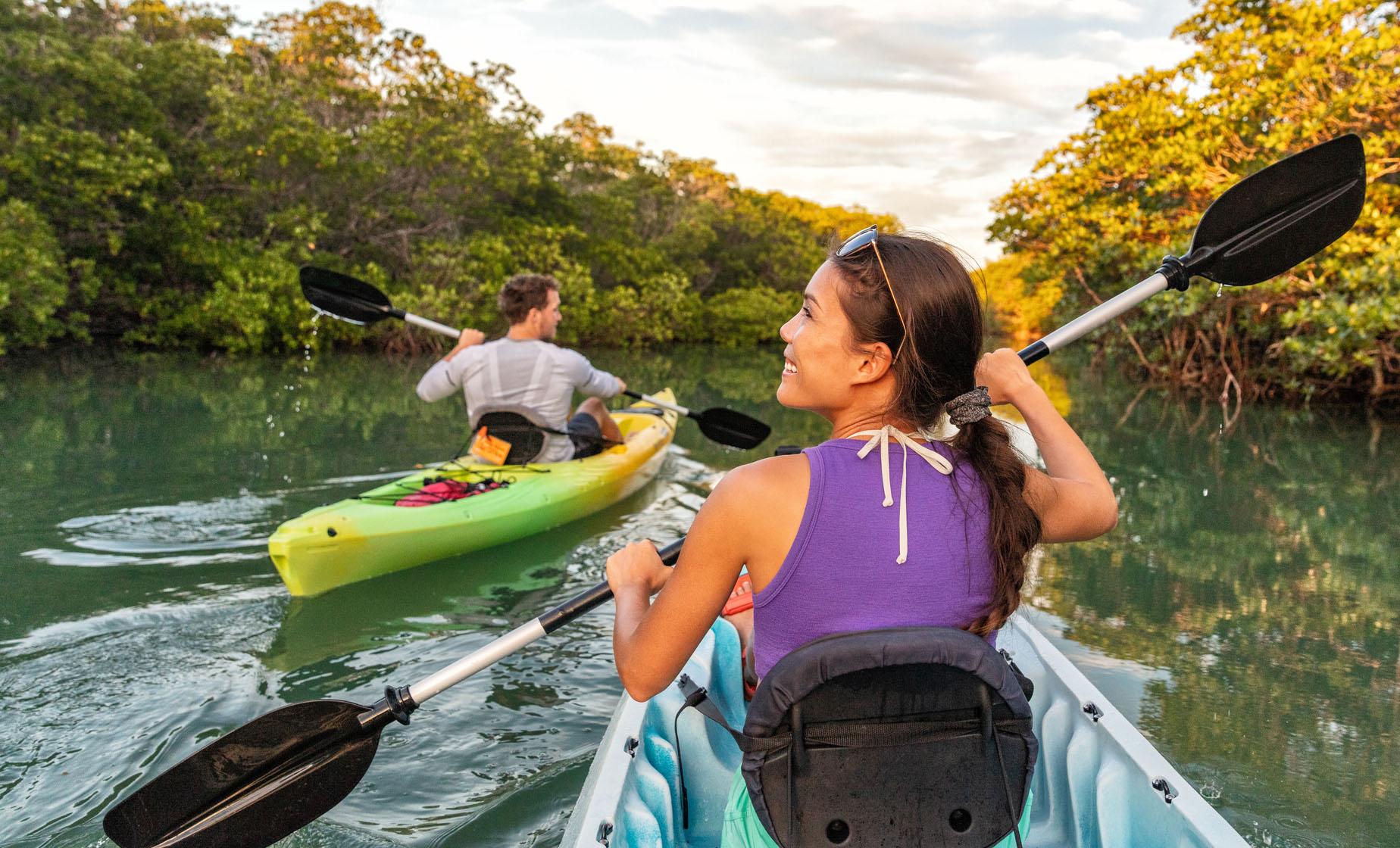
The St Thomas Mangrove Lagoon Wildlife Refuge and Marine Sanctuary is accessible Monday through Saturday from 8:00 AM to 9:00 PM and Sunday from 9:00 AM to 9:00 PM, with no entrance fee. Independent entry is restricted; most visitors access the mangrove channels and marine sanctuary via guided kayak or snorkel tours operated by licensed outfitters. Morning departures between 9:00 AM and noon offer the calmest water and best conditions for paddling.

The mangrove forest here is one of the last intact coastal nurseries in the U.S. Virgin Islands, sheltering juvenile reef fish, spotted eagle rays, and four species of sea turtle. What appears from shore as a tangle of red mangrove roots opens into a network of narrow tidal channels that wind through prop-root arches and shallow flats where stingrays bury themselves in sand. The refuge occupies a mix of federal and territorial jurisdiction, with the marine sanctuary boundary extending seaward to include seagrass beds and patch reefs used by hawksbill and green turtles. Public access on foot is limited to a single overlook; the interior channels are navigable only by kayak or shallow-draft paddleboard. Tour operators hold the permits required to enter the mangrove zone, and most combine a paddle through the lagoon with snorkel stops at nearby coral heads outside the main channel system. Water clarity fluctuates with tide and wind. Outgoing tides pull sediment from the mangrove substrate, reducing visibility inside the channels but concentrating fish activity near the roots. Incoming tides bring cleaner water from offshore and push small baitfish into the shallows, drawing tarpon and barracuda. Wind direction matters more than forecast might suggest: easterly trade winds funnel through the Sir Francis Drake Channel and can make the exposed paddle from the launch site to the mangrove entrance choppy by midday. The refuge serves as both a wildlife corridor and a storm buffer. Mangrove roots stabilize sediment that would otherwise smother nearby coral, and the dense canopy provides nesting habitat for green herons and yellow-crowned night herons. Restoration work since 2018 has reintroduced native black mangrove to sections degraded by prior coastal development. Visitors paddling the interior channels in late spring often encounter juvenile lemon sharks, which use the shallow, predator-free water as a nursery before moving to deeper reef zones.

“The mangrove forest here is one of the last intact coastal nurseries in the U.S. Virgin Islands, sheltering juvenile reef fish, spotted eagle rays, and four species of sea turtle.”
Timing

Best Time to Visit St. Thomas Mangrove Lagoon Wildlife Refuge and Marine Sanctuary

The best arrival window is 09:00–12:00, as morning tours offer cooler temperatures and calmer water conditions for kayaking and snorkeling. Visiting during these hours ensures optimal water clarity and more comfortable physical activity.

December to April

Moderate crowds

Dry, 78°F–84°F

Ideal conditions for snorkeling and water visibility due to lower rainfall.

May to November

Lower crowds

Humid, 80°F–88°F

Higher chance of brief showers, though mornings remain suitable for activities.

Weekday mornings

Minimal crowds

These times provide the quietest environment for observing local wildlife in the sanctuary.

Verdict: For the best experience, plan your visit for a weekday morning between December and April to take advantage of calmer waters and pleasant temperatures.

Opening hours

Opening Hours for St. Thomas Mangrove Lagoon Wildlife Refuge and Marine Sanctuary

The St. Thomas Mangrove Lagoon Wildlife Refuge and Marine Sanctuary maintains consistent daily access throughout the week to accommodate visitors. The refuge welcomes guests from early morning until evening hours.

Monday
08:00–21:00
Tuesday
08:00–21:00
Wednesday
08:00–21:00
Thursday
08:00–21:00
Friday
08:00–21:00
Saturday
08:00–21:00
Sunday
09:00–21:00
Visitors should coordinate their arrival to allow sufficient time for their planned activities before the 21:00 closing time.
Prices

Admission Fees for St. Thomas Mangrove Lagoon Wildlife Refuge and Marine Sanctuary

Access to the St. Thomas Mangrove Lagoon Wildlife Refuge and Marine Sanctuary is provided at no cost to the public. Expenses only arise if you choose to utilize guided kayak or snorkel services to explore the marine environment.

Refuge Entry Free public access to the sanctuary
0 USD
Guided Kayak/Snorkel Tours Fees determined by third-party tour providers
Varies by operator
Entry to the refuge grounds is free for all visitors at all times.

Verdict: While the refuge itself charges 0 USD for entry, visitors typically pay varying fees to private tour operators for guided kayak and snorkel excursions.

Directions

How to Get to St. Thomas Mangrove Lagoon Wildlife Refuge and Marine Sanctuary

The St. Thomas Mangrove Lagoon Wildlife Refuge and Marine Sanctuary is located at 6526 Estate Nadir, St. Thomas, VI 00802. Visitors typically access the area by vehicle via the main coastal roads.

Car 20-30 min from Charlotte Amalie

Drive via Route 30 (Red Hook Road) to Estate Nadir

Taxi 20-30 min from Charlotte Amalie Varies

Request transport to the Mangrove Lagoon marina entrance in Estate Nadir

Parking is available near the marina in Estate Nadir; ensure you coordinate your exact drop-off point with your tour operator prior to arrival.

What to see

What to See at St. Thomas Mangrove Lagoon Wildlife Refuge and Marine Sanctuary

The St. Thomas Mangrove Lagoon Wildlife Refuge and Marine Sanctuary serves as a critical nursery for diverse Caribbean marine life. Navigating this ecosystem reveals a complex network of habitats essential for local biodiversity.

Red Mangrove Forests

Red Mangrove Forests

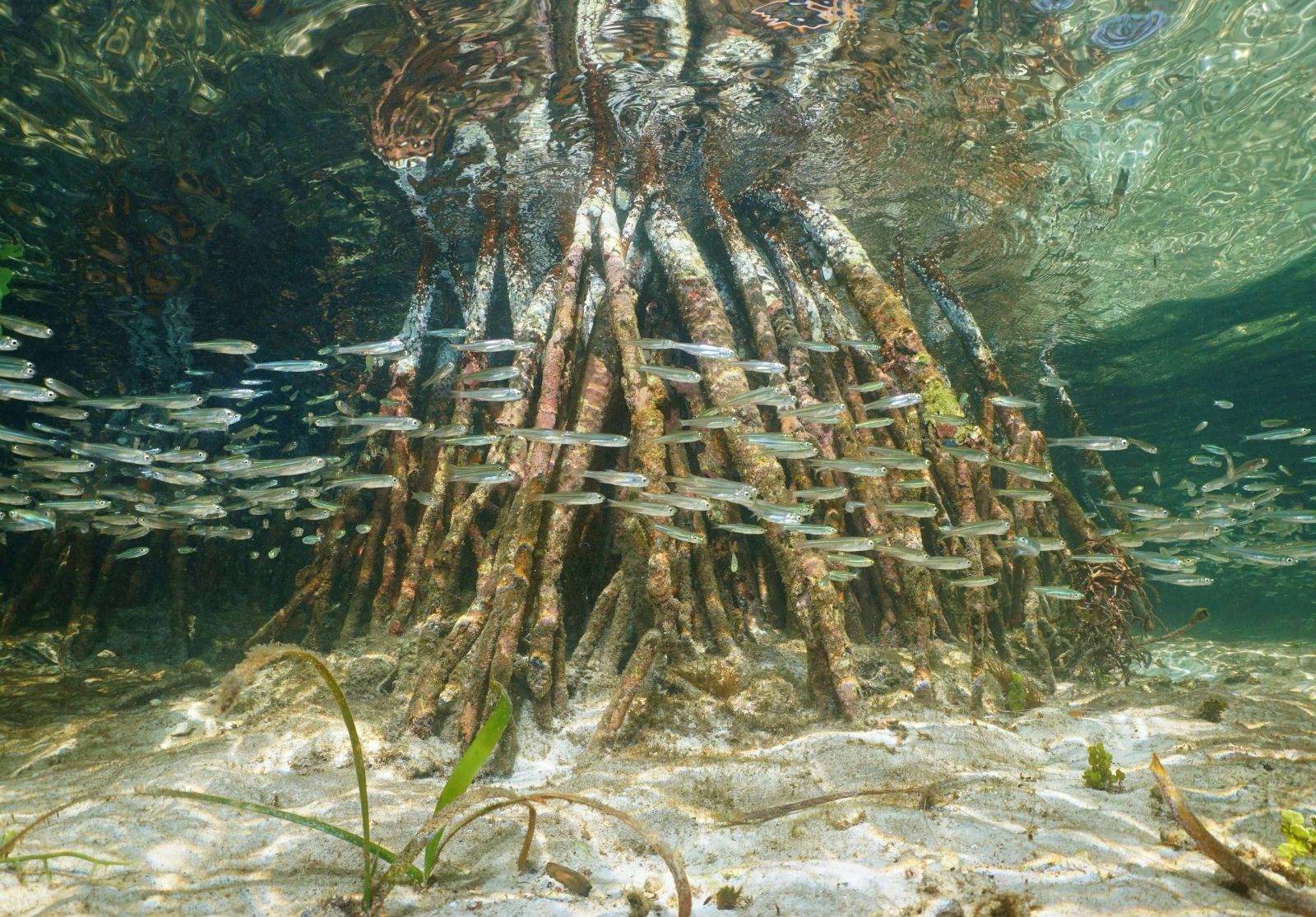
These trees feature prop roots that stabilize the coastline and provide protection for juvenile fish. Observe the root systems closely to spot small crabs and mollusks clinging to the bark.

Look below the water surface to see the dense root structures.
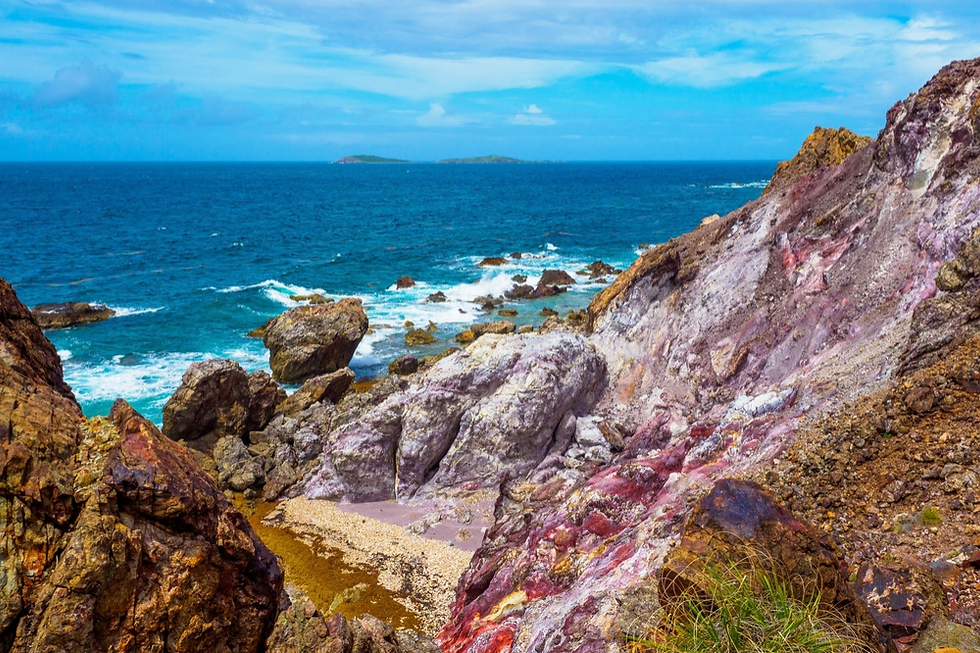
Cas Cay

Cas Cay

A protected island featuring fossilized coral reefs and unique geological formations. The area is accessible by kayak and offers trails leading to tidal pools.

Explore the inland trails to locate hidden tidal pools.

Bird Sanctuary

Bird Sanctuary

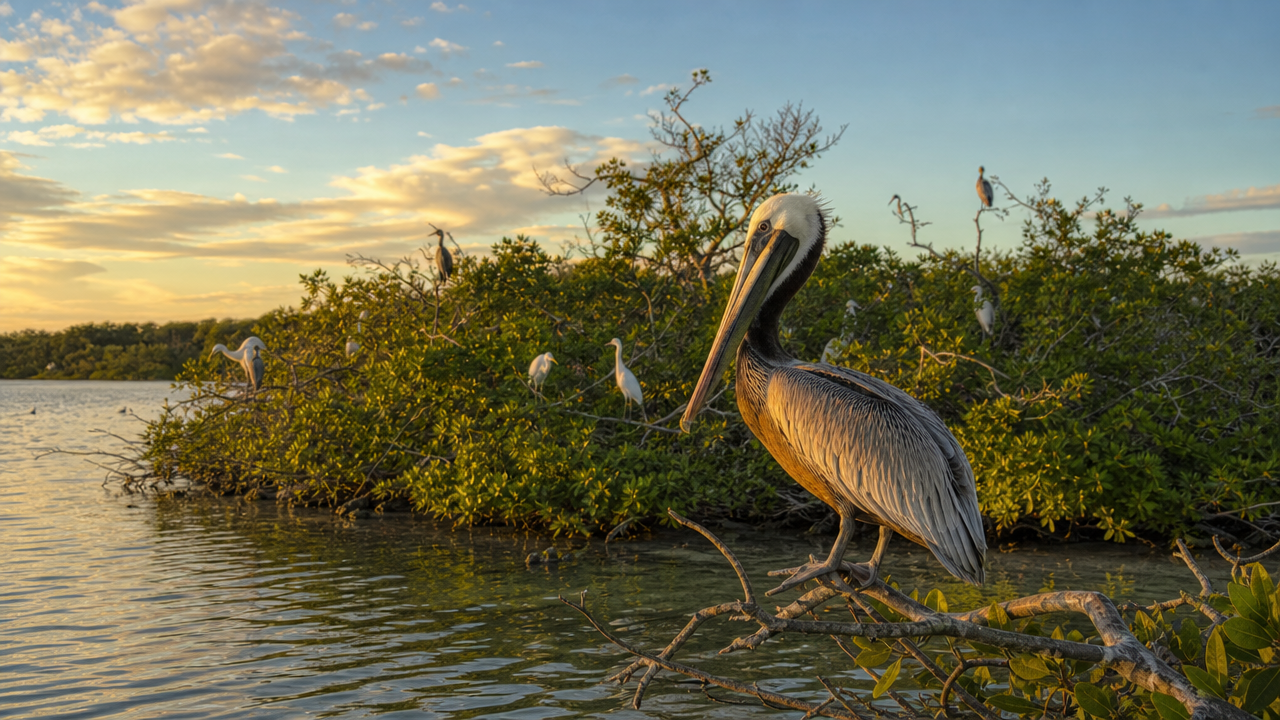
Various avian species, including brown pelicans and herons, nest within the sheltered canopy of the lagoon. The sanctuary environment allows for bird observation in their natural habitat.

Use binoculars during early hours for the best bird activity.

Marine Nursery

Marine Nursery

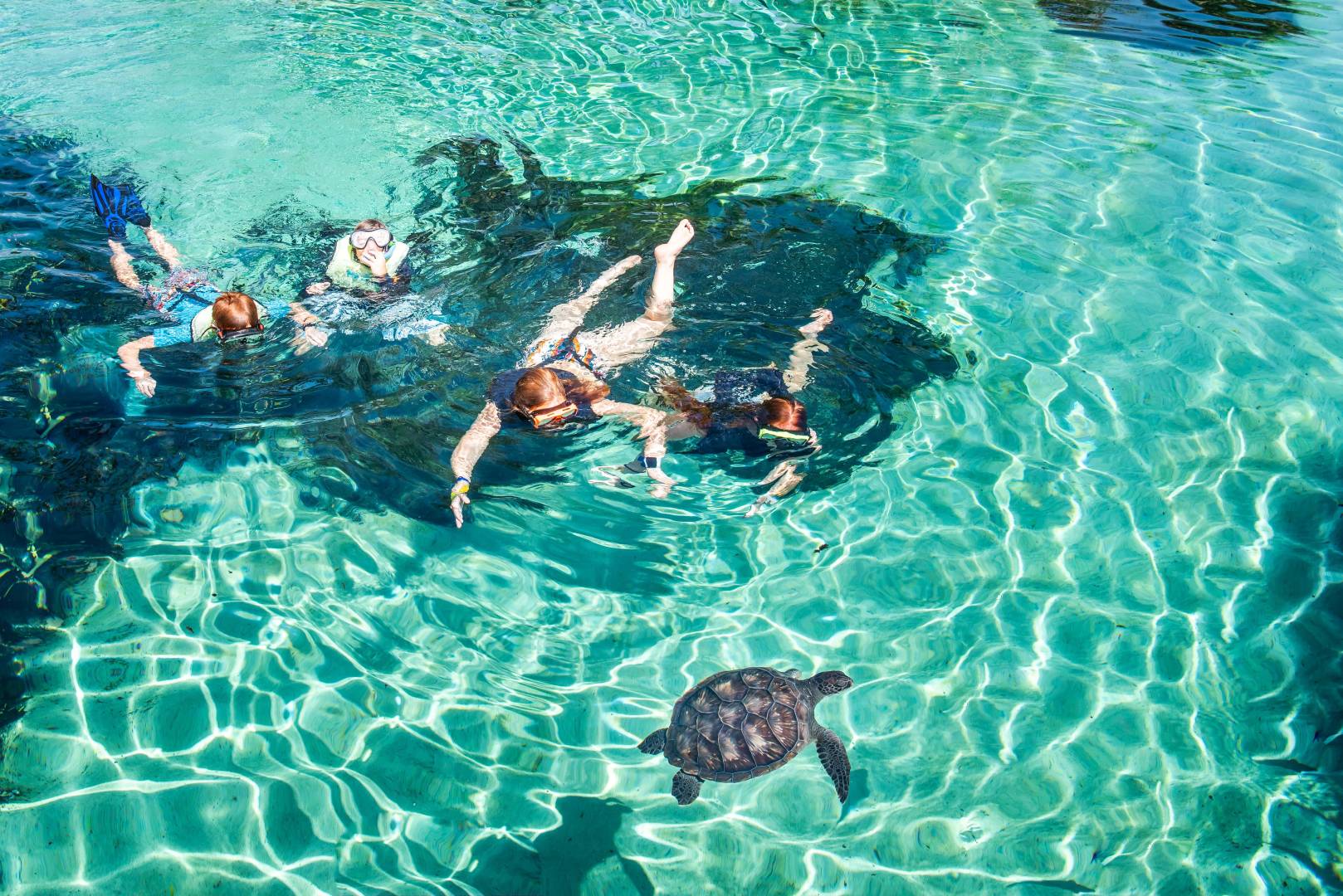
The shallow, calm waters of the lagoon act as a sanctuary for sea turtles, stingrays, and various reef fish species. These species utilize the mangroves to hide from larger predators.

Remain quiet while paddling to increase chances of spotting sea turtles.

Checklist

Preparation Checklist for St. Thomas Mangrove Lagoon Wildlife Refuge and Marine Sanctuary

Prepare for your guided excursion through the mangrove lagoon by packing appropriate gear and securing your equipment rentals.

Book

Check availability

Frequently asked

Frequently asked questions about the St. Thomas Mangrove Lagoon

Everything you need to know about st thomas mangrove lagoon wildlife refuge and marine sanctuary

Is there an entry fee for the st thomas mangrove lagoon wildlife refuge and marine sanctuary?

There is 0 USD entrance fee to the refuge itself, as it is a protected site. However, local tour operators charge for guided kayak and snorkel access to the area.

When is the best time to visit the st thomas mangrove lagoon wildlife refuge and marine sanctuary?

The best arrival window is 09:00–12:00. Morning tours are recommended because they offer cooler temperatures and calmer water conditions for kayaking and snorkeling.

Can I explore the st thomas mangrove lagoon wildlife refuge and marine sanctuary on my own?

While the area is a public refuge, navigating the shallow tidal channels and fragile ecosystems is best done via guided excursion. Booking a tour ensures you follow established environmental guidelines while navigating the mangroves.

What should I bring when visiting the st thomas mangrove lagoon wildlife refuge and marine sanctuary?

You should bring sun protection such as reef-safe sunscreen, a hat, and sunglasses, along with comfortable water shoes. Bringing a waterproof camera or a dry bag is also helpful for capturing the experience in this St. Thomas landmark.

Are there guided tours available for this St. Thomas marine protected area?

Yes, there are several operators that provide kayak and snorkel access to the site. These guided experiences provide the necessary equipment and logistical support to explore the protected channels safely.

What wildlife might I see in the mangrove forest and tidal channels?

Visitors to this tropical ecosystem often encounter hermit crabs, various bird species, and juvenile fish sheltered in the prop roots. The nutrient-rich water supports a diverse marine environment essential to the health of the island coastal zone.

Keep reading

More guides & pages